Hotel Owner Ruled Liable Following Guest’s Fatal Fall from Window
Property occupiers are obliged to take reasonable care for the safety of their visitors, but does that duty extend to those who choose to take obvious risks? The Court of Appeal addressed that issue in a guideline case concerning a hotel guest who fell out of a window to his death.
The…
Jan 27, 2021
Property occupiers are obliged to take reasonable care for the safety of their visitors, but does that duty extend to those who choose to take obvious risks? The Court of Appeal addressed that issue in a guideline case concerning a hotel guest who fell out of a window to his death.
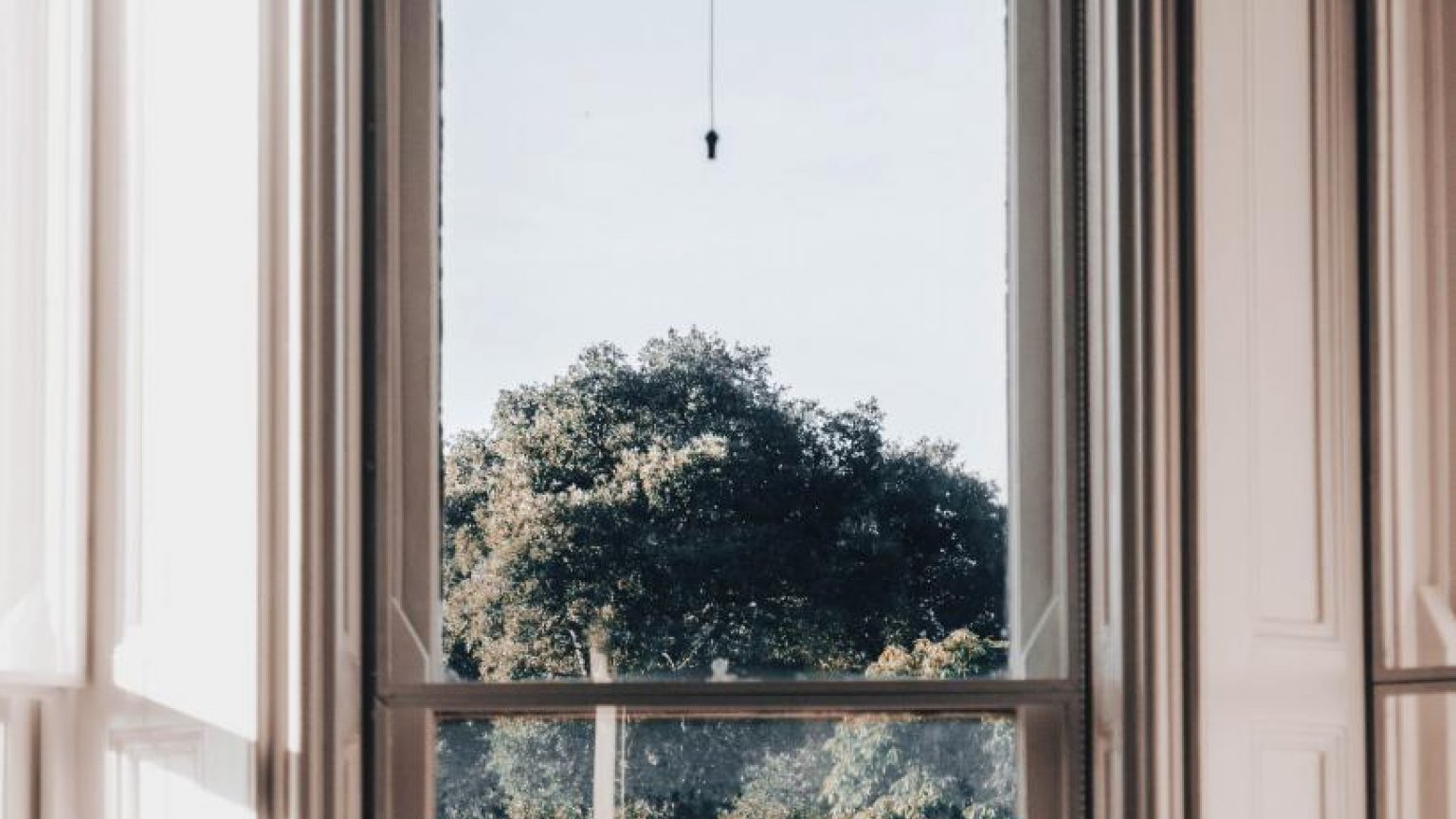
The man was staying on the hotel’s second floor after attending a wedding when he fell nine metres from the sash window in the early hours of the morning. His widow sought compensation from the hotel’s owner under the Occupiers’ Liability Act 1957. Following a trial, a judge ruled that, although the man was 60 per cent responsible for his own misfortune, the owner was 40 per cent liable for his death. Challenging that decision, the owner said that the man had consciously chosen to sit precariously on the window sill and had taken an obvious risk in doing so.
Rejecting the owner’s appeal, however, the Court noted that, although the man had been drinking, he was not drunk. He may have taken a seat on the window sill in order to cool off on a hot night or to smoke a cigarette. The window presented a foreseeable hazard in that it was low on the bedroom wall and its bottom section could be opened fully. It would have cost less than £10 to fit the window with a device restricting the extent to which it could be opened.
The Court observed that a hotel guest is entitled to treat his or her room as a home from home. It was a fact of life for any hotelier that guests may be tired, off guard or may have had more than a little to drink. It was foreseeable that a guest might lean out of a window in order to smoke or to obtain a breath of fresh air. Mountaineers or hang gliders might be viewed as taking full responsibility for the risks to which they expose themselves, but such activities were far removed from ordinary occupation of a hotel room.
There was no absolute rule that a visitor of full age and capacity who chooses to run an obvious risk is precluded from obtaining compensation under the Act. There was no finding that the man was aware of, or had expressly or impliedly accepted, the risk that had been created by the owner’s breach of duty. In sitting on the window sill, he had not absolved or forgiven the owner for creating the risk, nor had he waived his right to sue.

Employer Pays for Bypassing Trade Union – Supreme Court Ruling

Equality and Diversity Training Needs Regular Refreshment to Be Effective
