Health and Safety – Forklift Truck Driver Sacked for Whistleblowing
Workplace whistleblowers operate very much in the public interest but, all too often, they are punished rather than praised for their activities. The point was made by the case of a veteran forklift truck driver who was summarily dismissed after repeatedly alerting his employer to a serious…
Jan 26, 2022
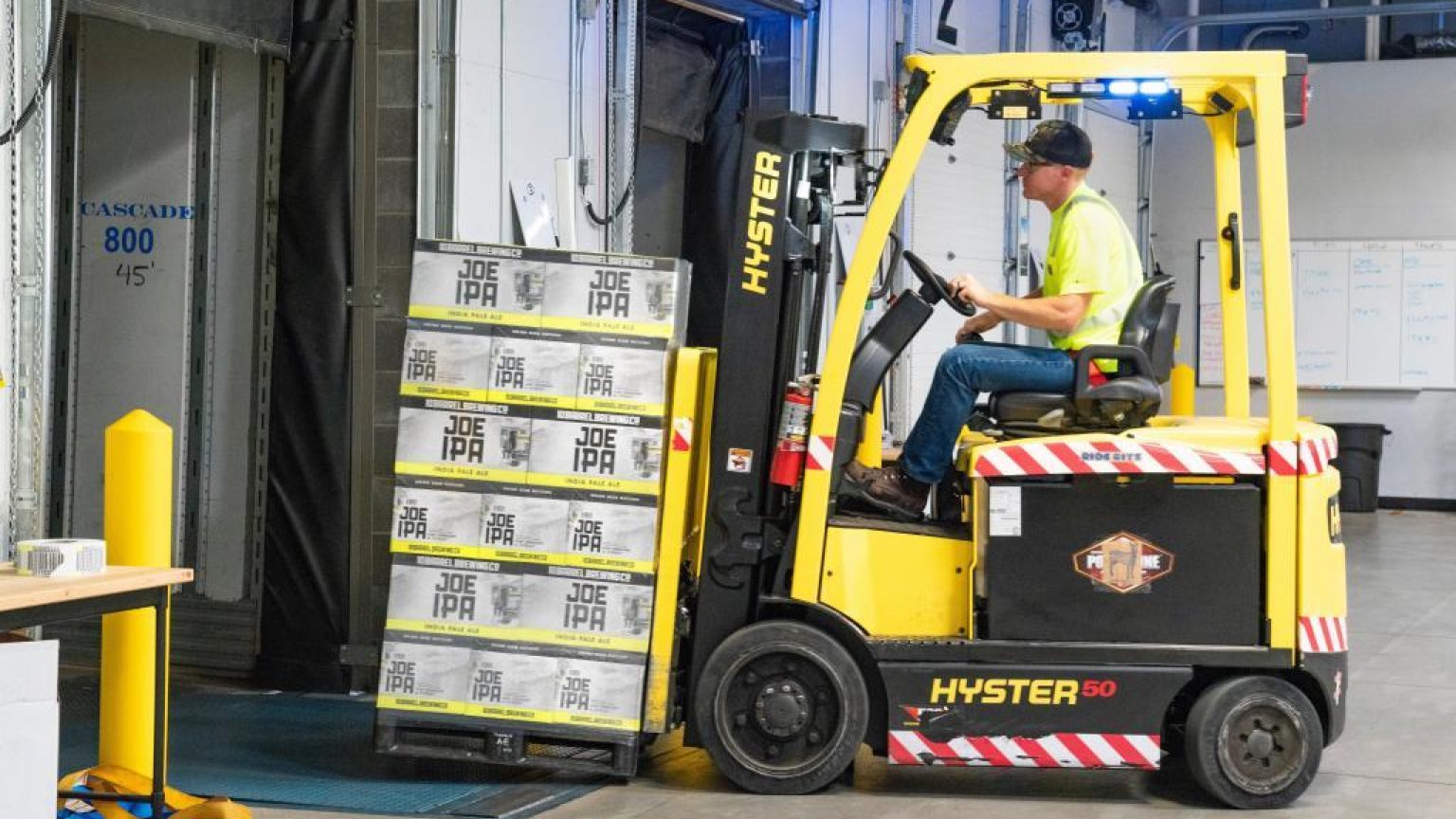
Workplace whistleblowers operate very much in the public interest but, all too often, they are punished rather than praised for their activities. The point was made by the case of a veteran forklift truck driver who was summarily dismissed after repeatedly alerting his employer to a serious health and safety risk.
After witnessing an incident in which a pallet weighing up to 500 kg fell from a height of nine metres, the driver three times expressed concern to his employer that pallets were being overloaded. On the final occasion, he used his mobile phone to take photos of one such pallet and showed them to his supervisor.
He was first suspended and then dismissed on grounds that he had breached a strict company policy that banned employees from making mobile phone calls or sending texts on the shop floor. He launched Employment Tribunal (ET) proceedings on the basis that he had been subjected to detriment for making protected disclosures – whistleblowing – and that his dismissal was therefore automatically unfair.
Upholding his complaint, the ET found that his whistleblowing was the real and principal reason for his dismissal. Acting in the public interest, he reasonably believed that the information he provided to the employer revealed a health and safety risk. Having taken his mobile phone briefly from his locker in order to take the photos, he had neither spoken to anyone on the device nor sent a text. By doing so, he used reasonable means to protect himself and fellow workers.
The ET also found that his dismissal amounted to a breach of contract and that the employer had failed in its obligation to pay him whilst he was suspended. If not agreed, the amount of his compensation would be assessed at a further hearing.

Gender-Critical Beliefs Entitled to Legal Protection – Test Case Ruling

Discrimination and the Burden of Proof – Supreme Court Clarifies the Law