Employers – Stamp Out Offensively Blokeish Behaviour or Pay the Price
When offensively blokeish behaviour in the workplace enters the realms of sexual harassment it is employers who are likely to carry the financial and reputational can. The point was powerfully made by a case concerning a female firefighter who was humiliated by male colleagues’ sexist…
Oct 31, 2023
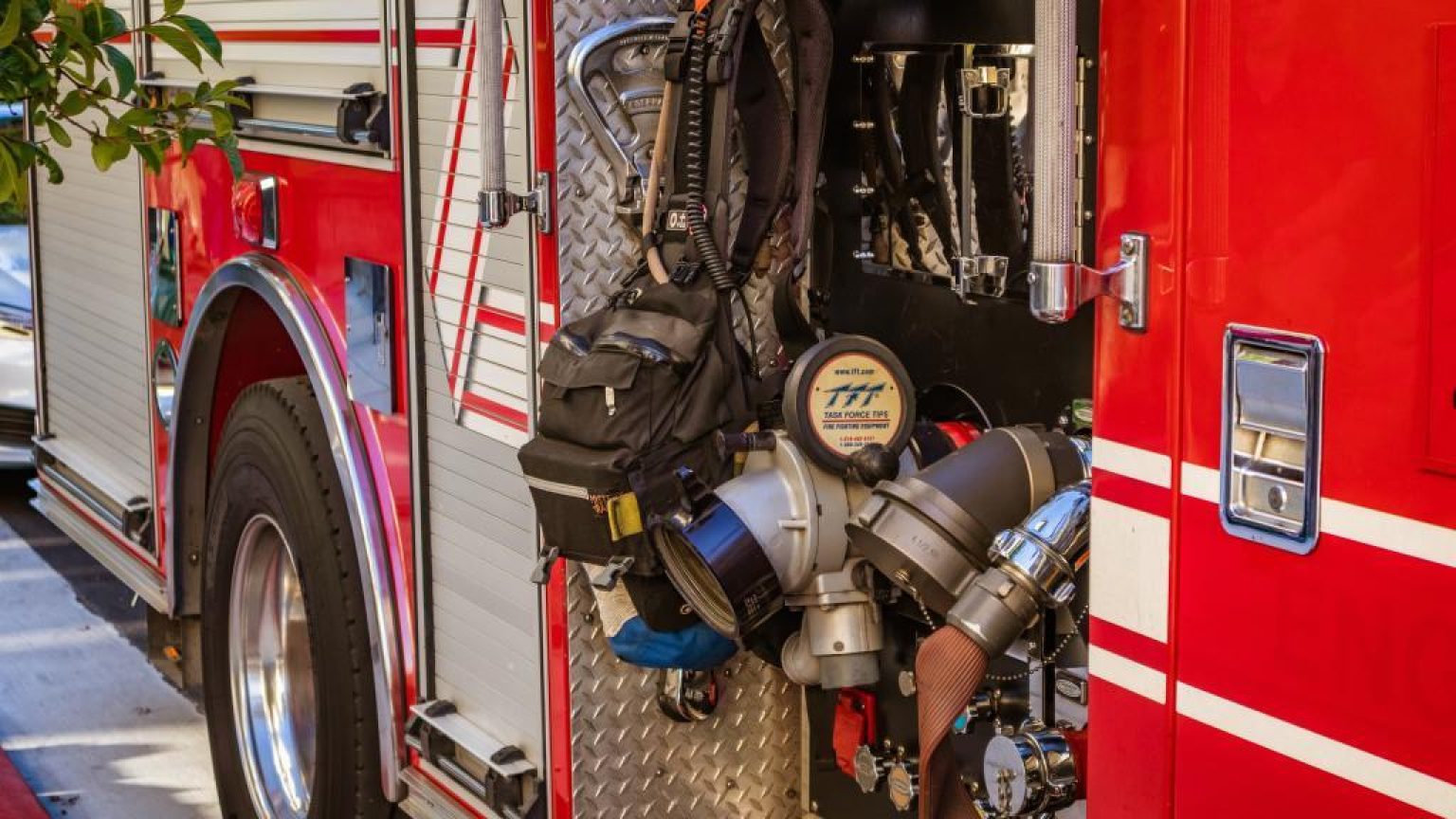
When offensively blokeish behaviour in the workplace enters the realms of sexual harassment it is employers who are likely to carry the financial and reputational can. The point was powerfully made by a case concerning a female firefighter who was humiliated by male colleagues’ sexist comments.
The woman claimed that she and three firemen were inside a fire engine, awaiting delivery of a takeaway meal, when the men began making assessments of female passers-by, commenting on whether they would or would not have sex with them. Their words, she said, left her feeling uncomfortable, invisible, disregarded and neither respected nor valued as a female member of the team.
On another occasion, she alleged that, at the urging of one of the firemen, the fire engine took a ‘scenic route’ via a seafront area rather than taking the most direct route back to the fire station. The same fireman was said to have asked the team leader several times ‘what he could do with’ women they passed. She said that she felt intimidated and degraded by his remarks.
She later launched Employment Tribunal (ET) proceedings against her fire authority employer on the basis that it bore vicarious, or indirect, legal responsibility for the firemen’s conduct. Their comments, she asserted, amounted to harassment of a sexual nature contrary to Section 26(2) of the Equality Act 2010.
The firemen denied her allegations in their entirety. However, in upholding her claim, the ET preferred her evidence and found, on the balance of probabilities, that the incidents occurred in all material respects as she had described them. Given that finding, the authority conceded that the conduct complained of was of a sexual nature.
In finding that the firemen’s conduct was unwanted, the ET noted that the woman was not a prude. She felt, however, that their inappropriate, sexist and degrading commentary on other women had crossed the line. Their conduct had the effect of creating an intimidating, hostile, humiliating or offensive environment for her. If not agreed, the amount of her compensation would be assessed at a further hearing.

Whistleblowing and the Importance of Proving Motive – Guideline Ruling

COVID-19 Whistleblower Succeeds in Automatic Unfair Dismissal Claim
