Bar Owner Overturns Liability Finding Following Customer’s Fall on Spilt Drink
Hospitality venues must take reasonable steps to keep their customers reasonably safe – but that is not a counsel of perfection. The High Court powerfully made that point in the case of woman who suffered a painful fracture when she slipped on a spilt drink in a late-night bar.
The woman…
Mar 06, 2023
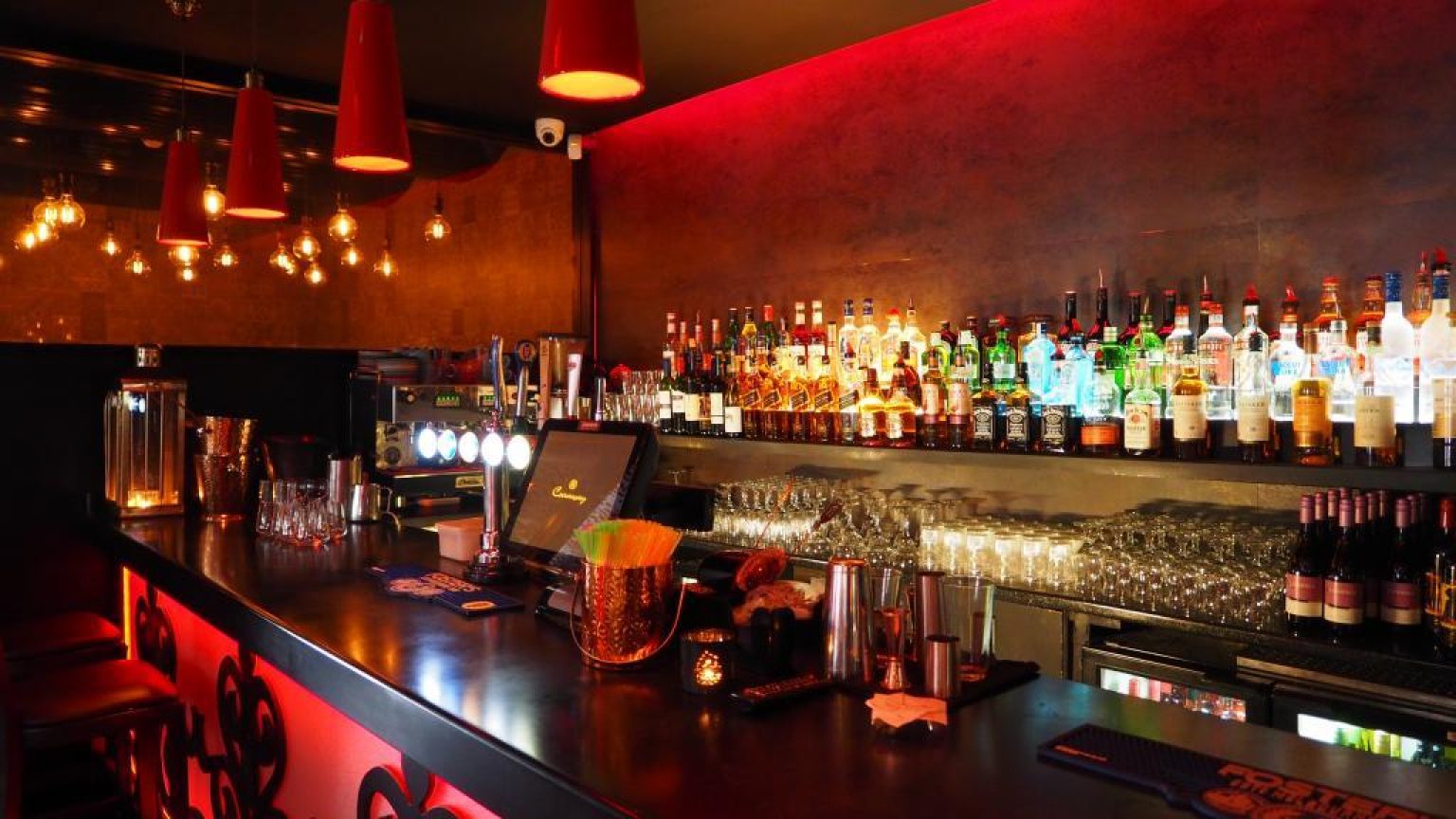
Hospitality venues must take reasonable steps to keep their customers reasonably safe – but that is not a counsel of perfection. The High Court powerfully made that point in the case of woman who suffered a painful fracture when she slipped on a spilt drink in a late-night bar.
The woman was in a crowded corridor in the bar when she fell in the early hours of the morning, sustaining a broken bone in her foot. She launched a personal injury claim against the bar’s proprietor, alleging negligence and that it had breached its duty under the Occupiers’ Liability Act 1957.
Upholding her claim following a trial, a judge found that steps taken by the proprietor to ensure that drink spillages were promptly cleared up were simply not sufficient. The accident happened in a darkened area of the bar where the wooden floor was likely to become slippery when wet. She was awarded £4,104 in damages.
In allowing the proprietor’s appeal against that ruling, the Court noted evidence that the bar was continuously monitored by members of staff who carried out walking inspections at least every 10 to 15 minutes. There was a proactive system in place to ensure that glass breakages and spillages were dealt with promptly.
Although no blame attached to the woman, the Court noted that most customers of late-night bars would be aware that spilt drinks are not an unknown phenomenon. There was no apparent evidence that spillages were a particular problem or that it was an issue requiring special vigilance. Such accidents, the Court observed, can occur from time to time in any bar.
Overturning the judge’s decision, the Court accepted that the standard of care he imposed on the proprietor went beyond that required by the Act. His ruling effectively placed the proprietor under a duty to have an instantaneous system in place so that no spilt drink could ever be present on the bar’s floor. That was a counsel of perfection which the law did not require.

HSE Encourages Employers to Tackle Workplace Stress

Capability – Justifying the Dismissal of a Disabled Employee is Never Easy
