Are ‘Smart’ Motorways Safe? High Court Ruling Begs the Question
Are so called ‘smart’ motorways, which lack hard shoulders, safe? An answer to that question was implicitly begged by a High Court case concerning a catastrophic accident involving a minibus filled with university students, one of whom died.
The university-owned minibus was returning from…
Oct 07, 2022
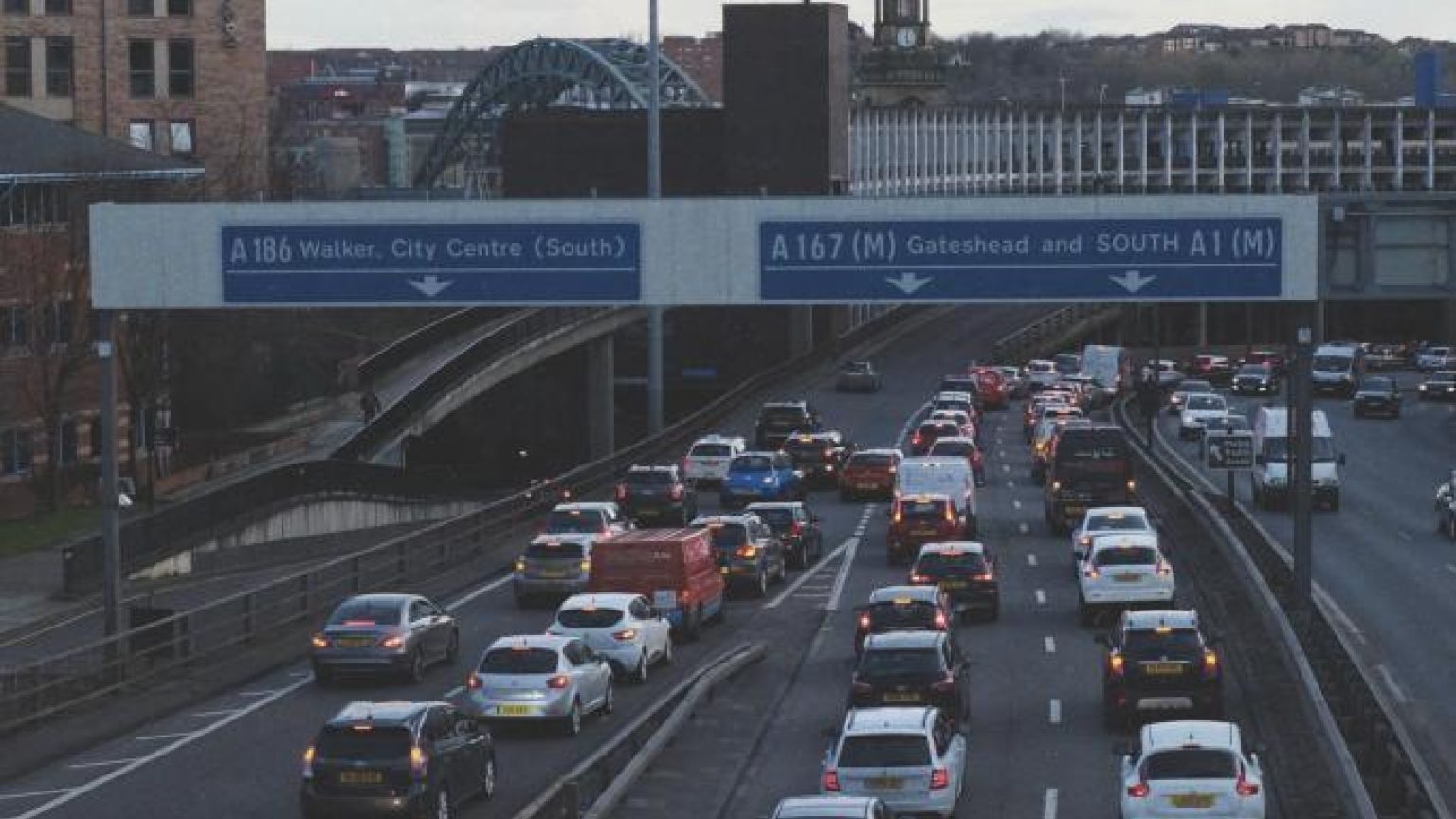
Are so called ‘smart’ motorways, which lack hard shoulders, safe? An answer to that question was implicitly begged by a High Court case concerning a catastrophic accident involving a minibus filled with university students, one of whom died.
The university-owned minibus was returning from a sporting event along a stretch of smart motorway when it began to lose power. After a dashboard warning light came on, the driver pulled into an emergency refuge area (ERA). About 22 seconds later, he drove back onto the motorway. The minibus only went about 145 metres before coming to a halt with its hazard lights on. Three passing cars managed to avoid the stranded vehicle before it was struck by a lorry going at about 56 mph.
A damages claim was launched on behalf of the estate of the student who died and three others, who sustained serious injuries, against the lorry’s driver and its insurer. They admitted primary liability for the accident but asserted that the minibus driver had been negligent in rejoining the motorway. On that basis, they contended that the minibus’s insurer should contribute to the damages payable.
Clearing the minibus driver of all blame for the accident, however, the Court found that, when parked in the ERA, he turned the minibus’s ignition off and on again, thereby clearing the dashboard warning light. The vehicle’s engine would thereafter have appeared to function normally, both when it was stationary and when it was picking up speed to rejoin the motorway.
The properly and professionally maintained minibus had not previously sustained a total loss of power and its driver could not reasonably have foreseen that, seconds after leaving the ERA, it would come to a complete halt. Even if a partial loss of power were foreseeable, the driver would have anticipated that the vehicle was capable of safely limping on, albeit at reduced speed.
Once he had committed to rejoining the motorway, there was almost nothing he could do when the minibus began to lose power. There was no hard shoulder and there was a fixed barrier preventing him from leaving the carriageway. He switched on the hazard lights about 12 seconds after leaving the ERA and the Court concluded that he could have done no more.

Bus Driver Sacked Whilst on Sick Leave Succeeds in Unfair Dismissal Claim

Charity Must Pay Compensation Following Hostel Resident’s Window Fall