There is No Known Level of Safe Exposure to Asbestos – High Court Ruling
Exposure to even very low levels of asbestos can be a source of tragedy many years in the future. The point was made by the case of a retired joiner who succumbed to asbestos-related cancer more than 50 years after he worked for just a few days on the construction of a flagship office…
Jun 08, 2023
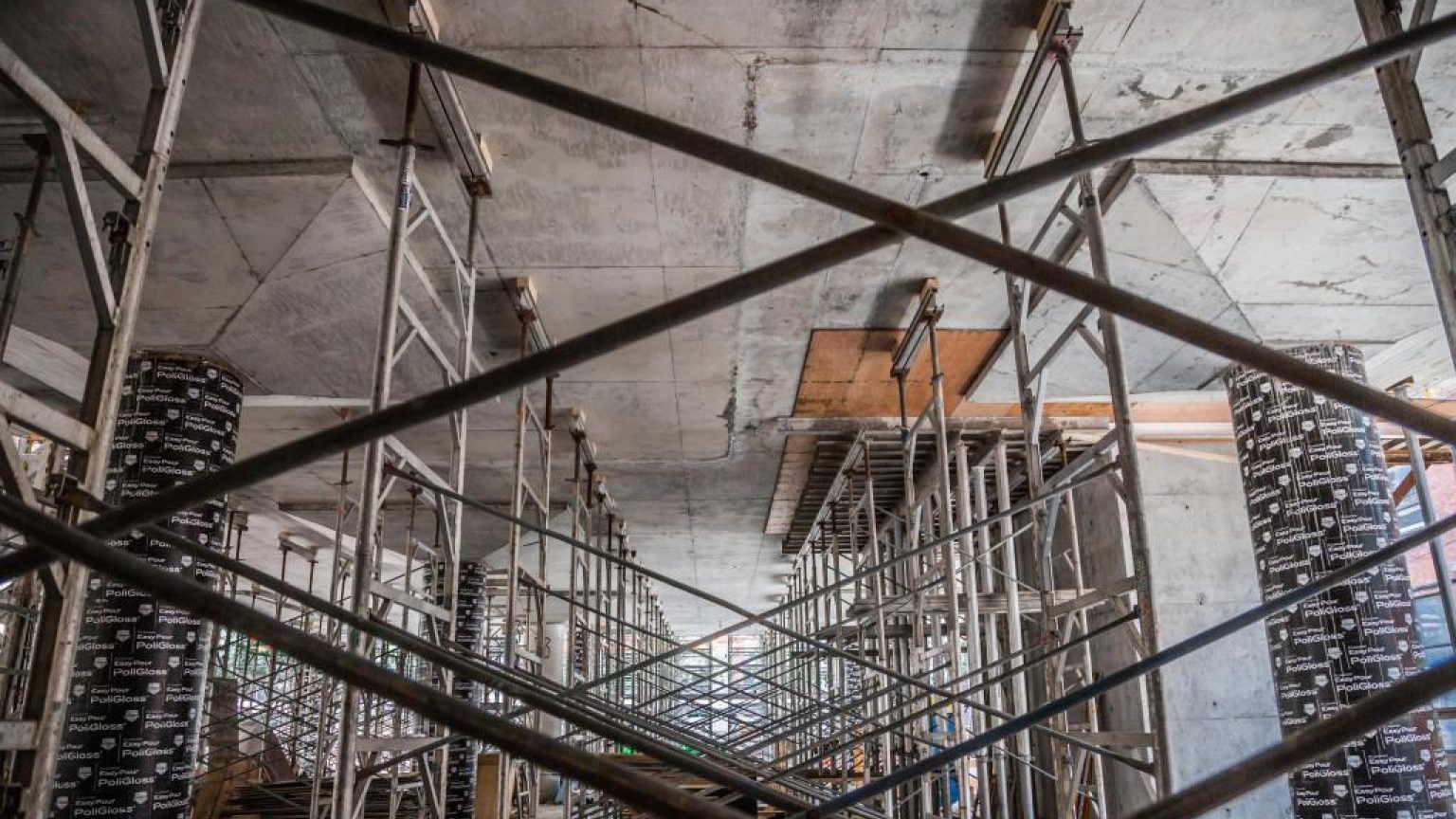
Exposure to even very low levels of asbestos can be a source of tragedy many years in the future. The point was made by the case of a retired joiner who succumbed to asbestos-related cancer more than 50 years after he worked for just a few days on the construction of a flagship office building.
During the late 1960s, the man worked on construction of an insurance company’s headquarters. The job lasted two weeks at most, but involved handling cement panels which contained asbestos. In 2019 he died, aged 83, from mesothelioma, a cancer of the lining of the lungs almost always associated with asbestos exposure. His estate lodged a personal injury claim against the successor to a large construction company for which he was working at the time of exposure.
Upholding the claim, a judge found that, given its scale and extensive resources, the company should have been aware, even in the 1960s, that his work would give rise to a more than fanciful risk of asbestos-related injury. There was, however, no evidence that it had provided him with any advice or protective equipment or conducted a risk assessment of the dangers his work posed.
Although the level of the man’s exposure may have been low, it was measurable and not so insignificant that it could be regarded as trivial. Given the lack of evidence of any steps taken by the company to protect him, it could not reasonably have taken the view that there was a level of exposure below which there was no significant risk.
Overall, the judge could not rule out a significant possibility that his exposure on the building site was instrumental to him contracting the disease that killed him. The extent and duration of his exposure constituted a material increase to the risk of him contracting mesothelioma. The successor’s liability having been established, the compensation payable to the man’s estate was agreed at £107,500.

Supreme Court Urges ‘Give and Take’ in Town or Village Green Dispute

Brexit Cost Live-in Domestic Workers the Right to the National Minimum Wage